A Saturday in the Kitchen With Joe Sasto
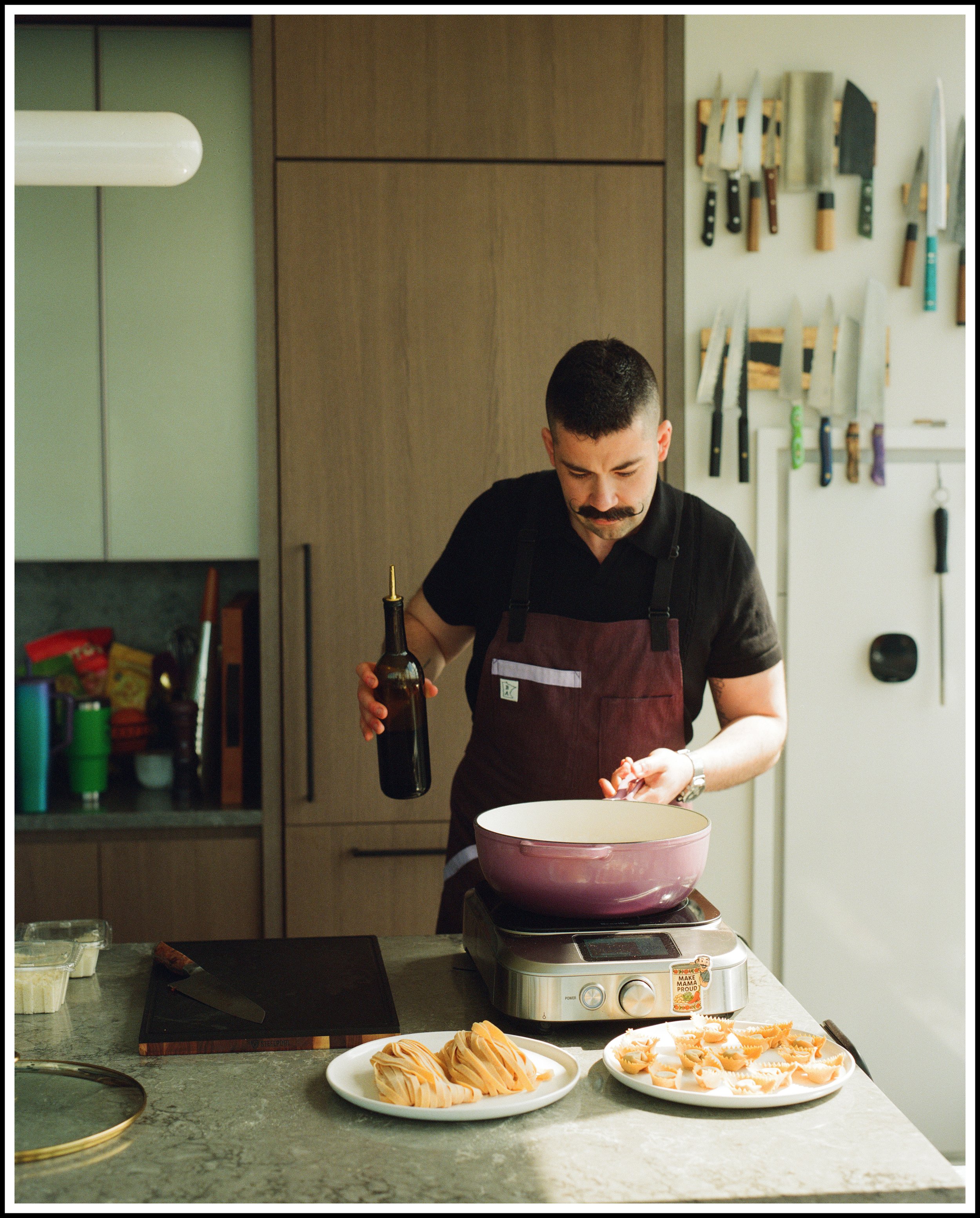
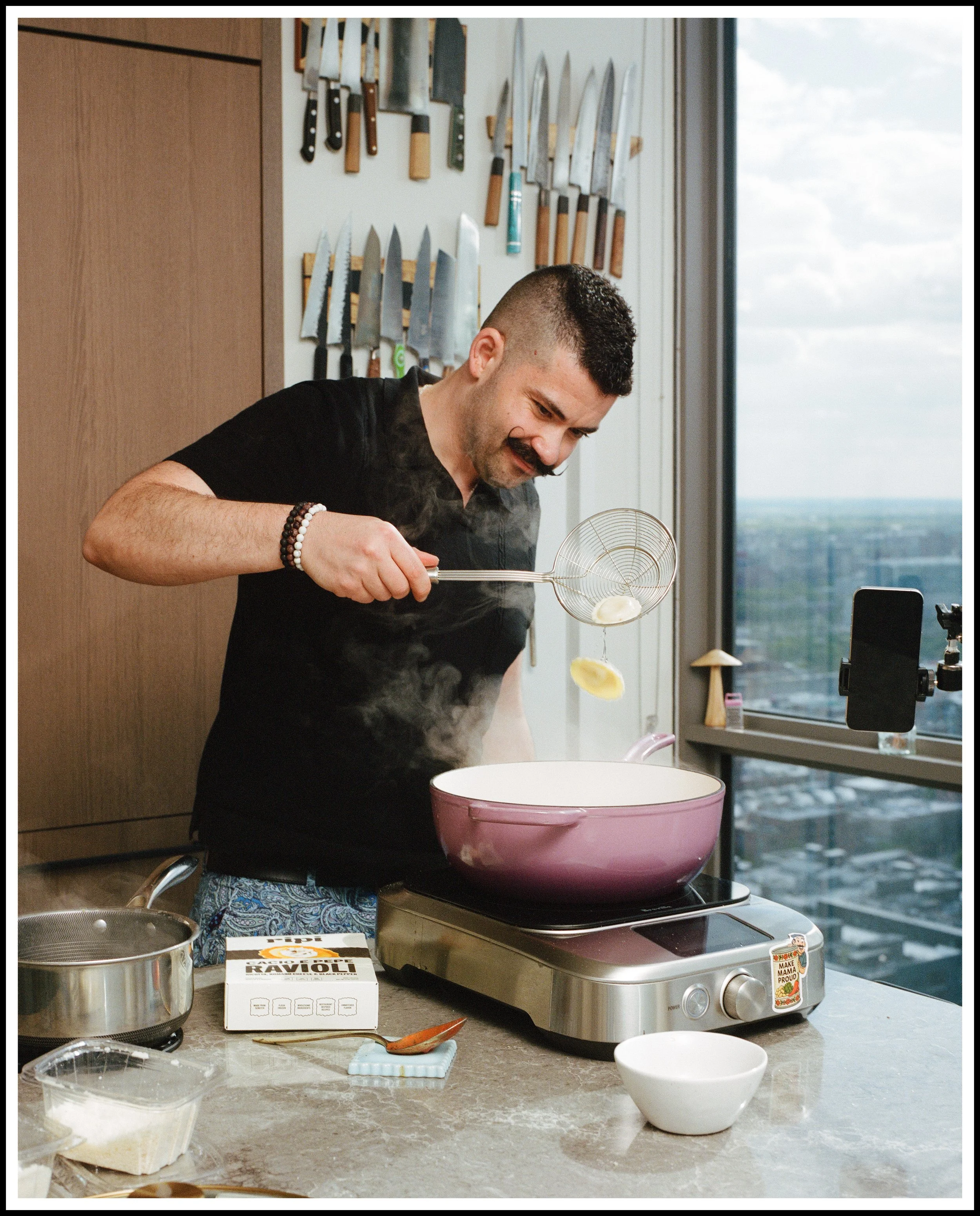
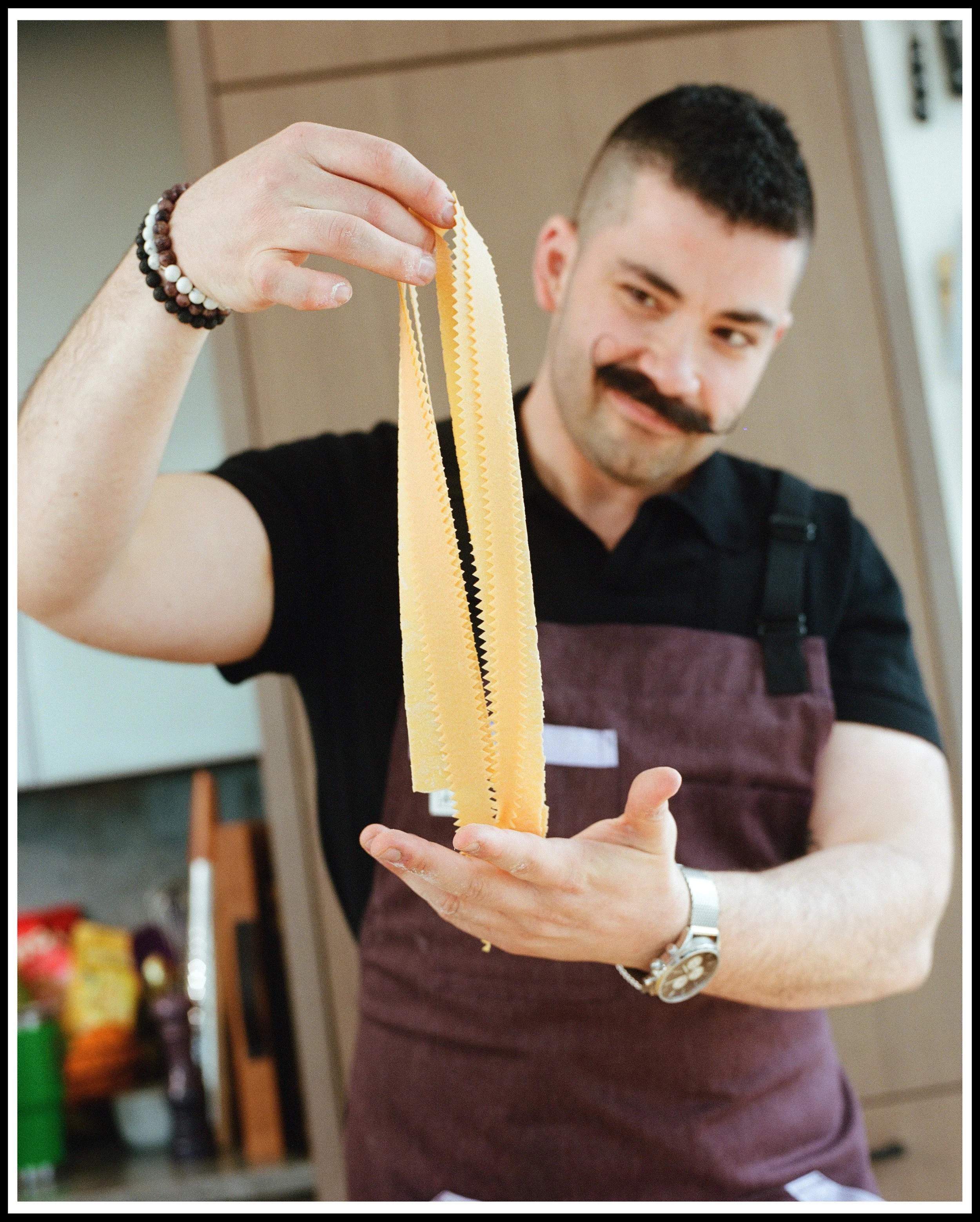
On a gray Saturday afternoon, high above the city, Joe Sasto stood over a table dusted with flour and made pasta.
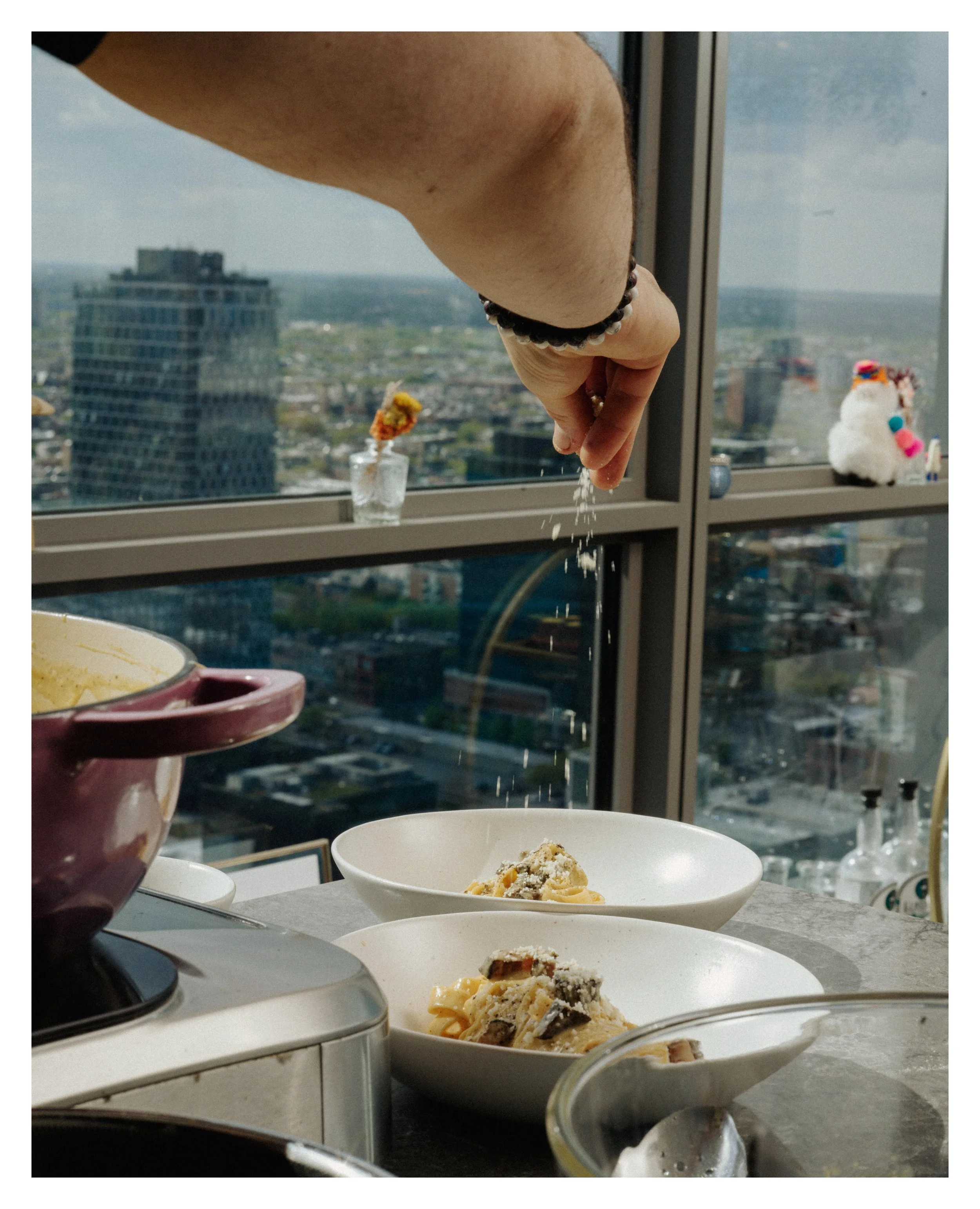
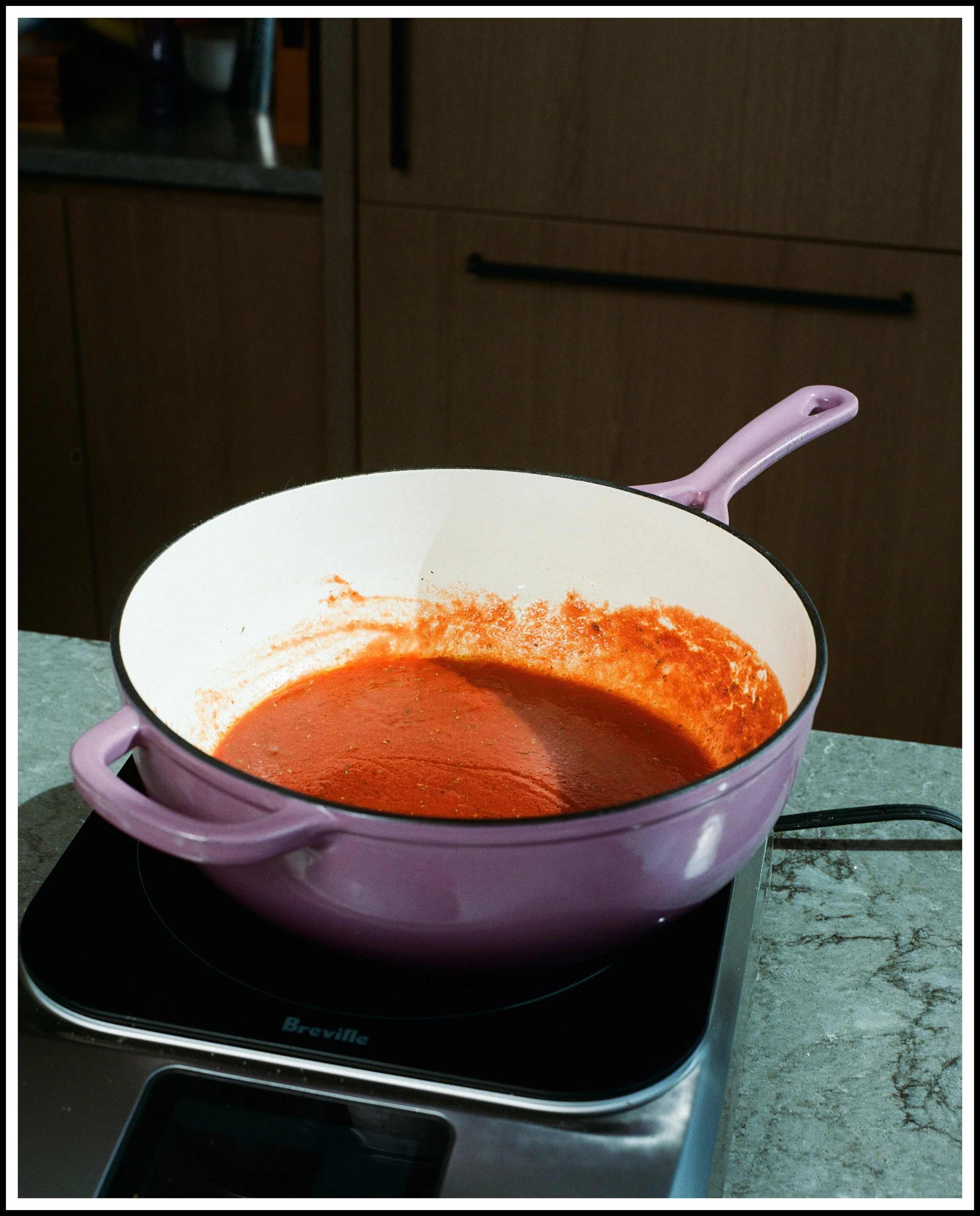
The kitchen was warm. Sauce sat on the stove. Bowls moved from counter to table and back again. Outside the windows, Chicago held still in the winter light. Inside, everything was closer: hands, dough, steam, conversation.
I came over to photograph Joe and Kait Sasto for the day. It was not a large production, but it was not invisible either. Some pictures were stopped and made carefully. Others happened in between, while the cooking kept moving. The day felt like it was somewhere between a portrait session and a real afternoon in the kitchen.
That is usually where the best photographs are.
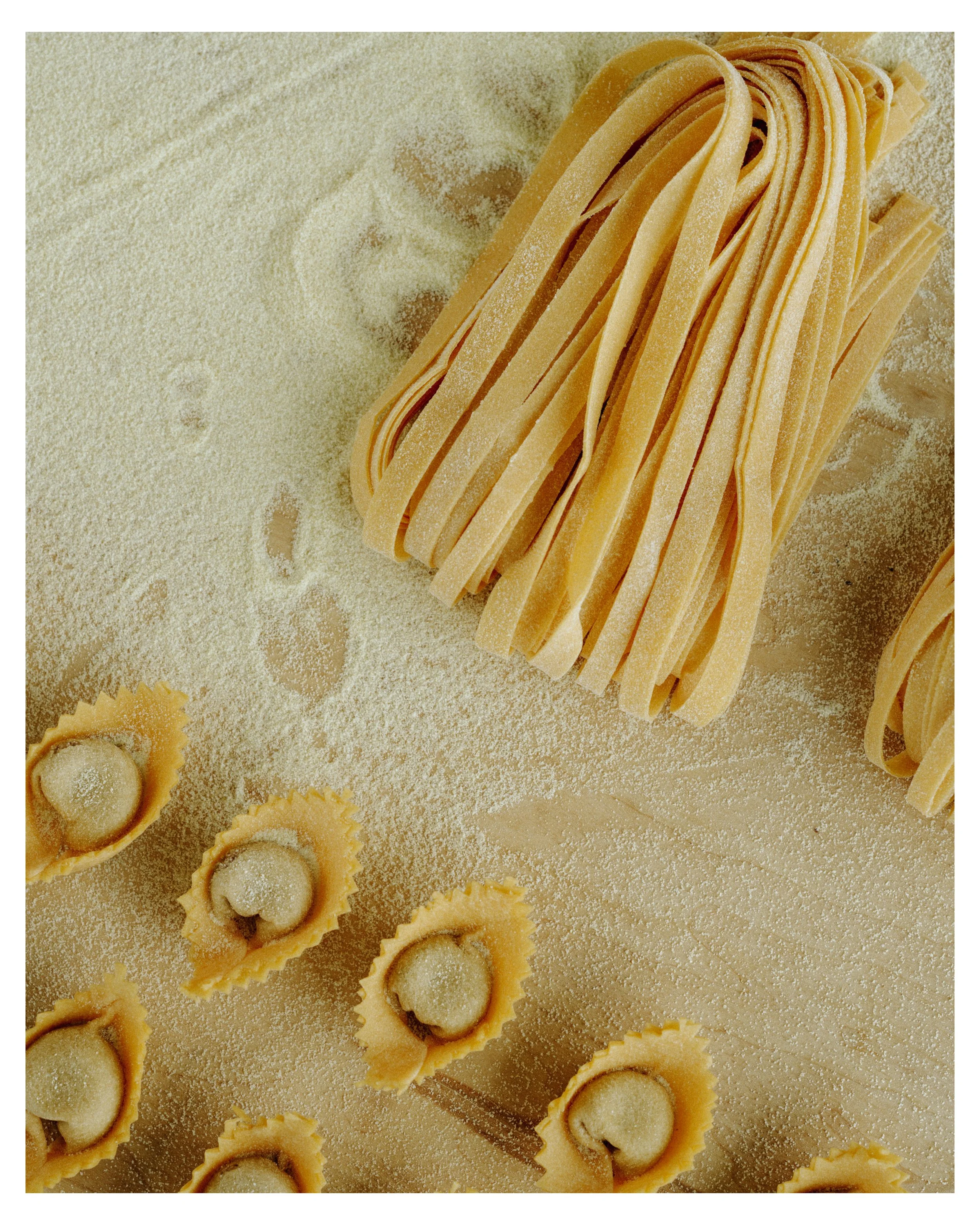
Joe worked with the ease of someone who has made pasta thousands of times. He rolled the dough, filled it, folded it, and moved it aside. The gestures were small and practiced. Nothing felt overly precious. Pasta does not need much theater when someone knows what they are doing.
Make it stand out
Whatever it is, the way you tell your story online can make all the difference.
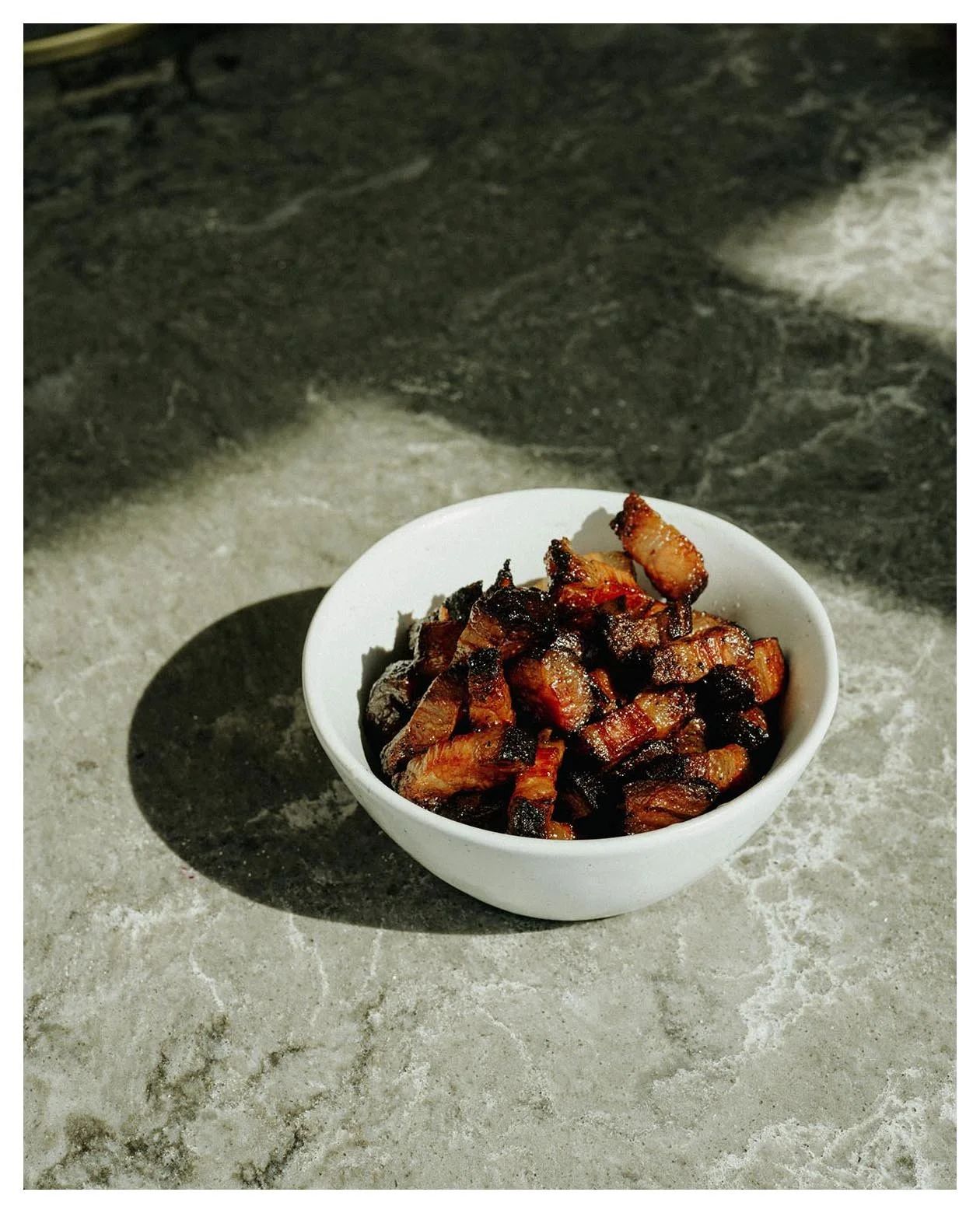
The finished plate matters, but food often feels most alive before it is finished. A hand pressing dough closed. Flour on a sleeve. Pasta resting in uneven rows. Sauce catching on the edge of a pot. Steam rises for half a second before disappearing.
Those are the moments that make a photograph feel true.
Joe is a chef, author, and creator who has built much of his world around pasta and Italian food. But that afternoon, the titles mattered less than the table. The table held the pasta before it went into the water. It held the flour, bowls, tools, and evidence of the work. It was not styled to look untouched. It looked used. Better than that, it looked useful.
Kait moved through the room with him, sometimes beside Joe, sometimes just outside the frame, always part of the rhythm of the afternoon. There was an ease between them that made the kitchen feel relaxed. Even when we stopped to make a picture, the day never felt stiff. It still felt like cooking.
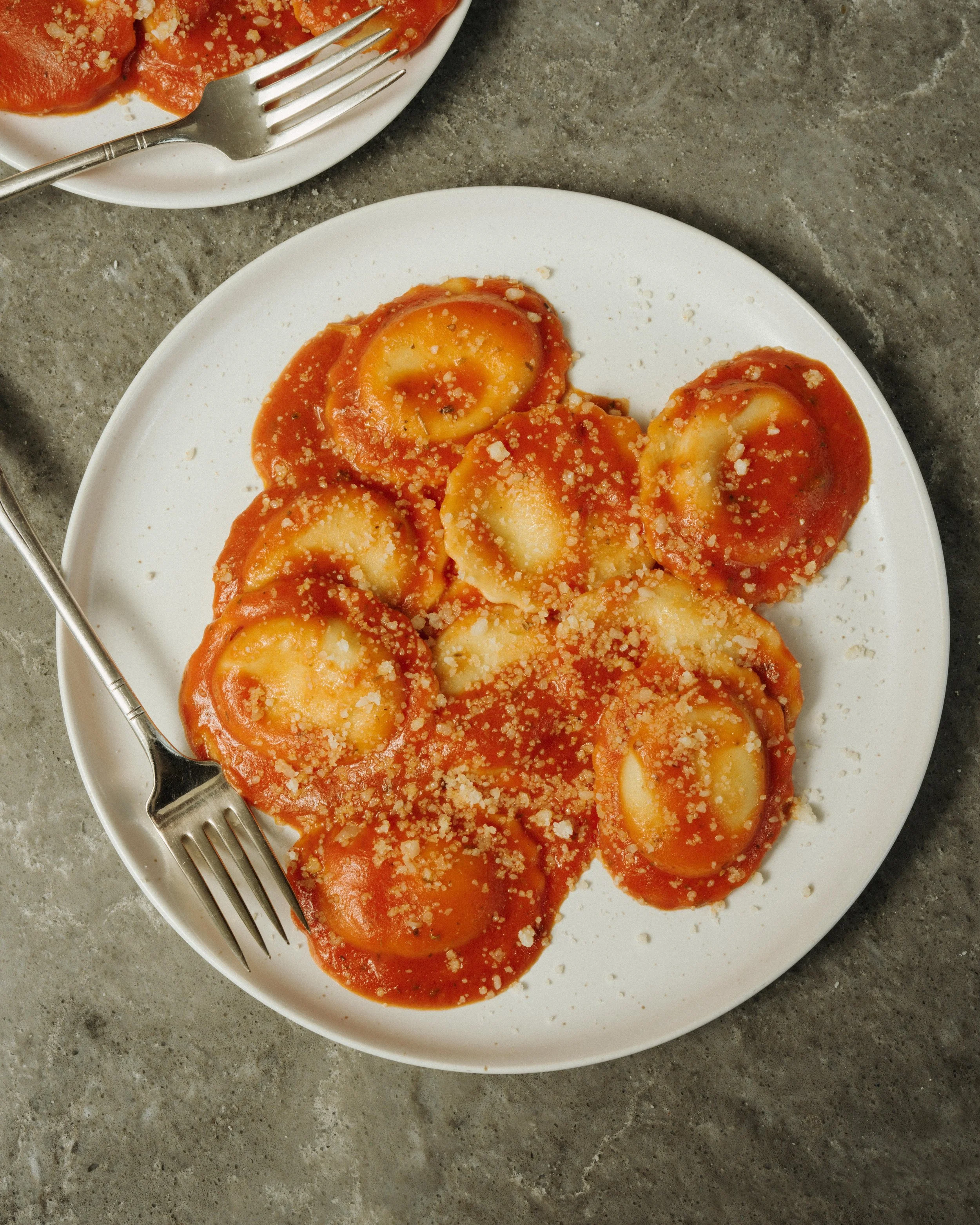
There was also Ripi, the frozen pasta project Joe and Kait have been building. Seeing it in the context of an actual kitchen made the idea feel more personal. Frozen food can feel anonymous by the time it reaches a grocery aisle, separated from the hands and decisions that made it. But here, before the freezer door and the packaging, it still came back to the same things pasta always comes back to: dough, filling, sauce, heat, texture, and taste.
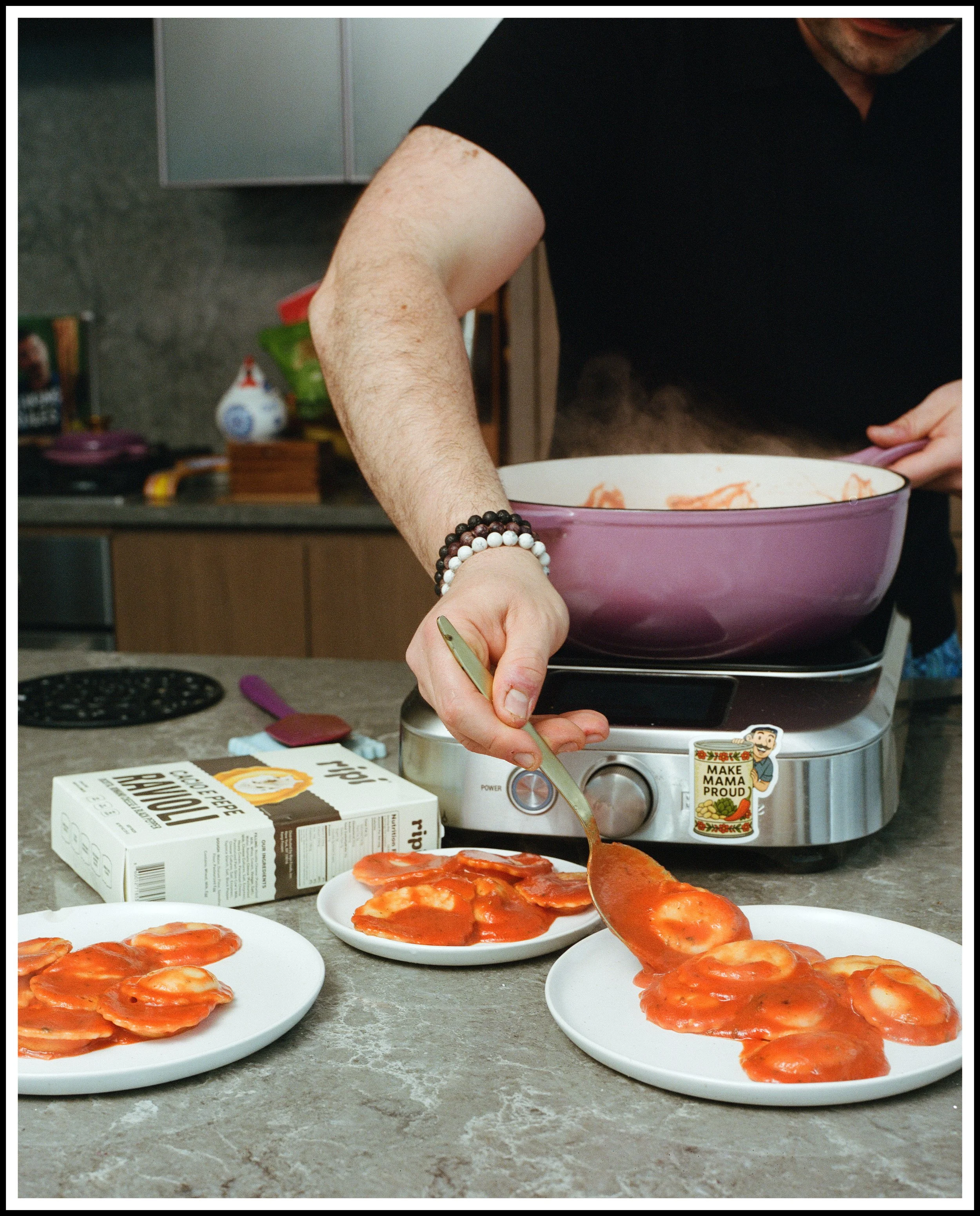
That connection was what interested me most.
Photography gives you a reason to look longer than you normally would. It lets you notice the things that might otherwise pass by without much attention: the way flour marks a shirt, the way steam softens a face, the way light hits a bowl for only a moment, the way someone stands over a pot when they are really paying attention.
Some of it was directed. Some of it was found. The best parts lived somewhere between the two.
Thank you to Joe and Kait for opening the door, letting me photograph the day, and giving me a reason to spend a Saturday around pasta, light, and good food.